




















































Introduction: The Most Overlooked Accessory in Your Bag
Most golfers obsess over driver loft, shaft flex, and putter alignment. But how many of us give serious thought to the humble head cover? If you’re like most players, you probably use whatever came with your clubs, or worse, you’ve let them go missing entirely, leaving your investment unprotected.
Here’s the hard truth: head covers are not merely decorative items or nostalgic throwbacks. They are your clubs’ first line of defense against the realities of transport, weather, and daily wear. Let me take you through what I’ve learned after thousands of rounds and more than a decade around the game.
The typical golfer spends anywhere from 300 to 600 dollars on a single driver, only to toss it loosely into a trunk where it bounces against a tire iron or a push cart wheel. The clanking you hear when you walk down the fairway isn’t just annoying. It’s damage occurring in real-time.
Neglecting head covers is like buying a luxury car and never waxing it, then wondering why the paint faded.
The Real Job of a Head Cover: Beyond Basic Protection
Protection from Physical Damage
Let’s start with the obvious: physical protection. When clubs move around in a bag—whether on a cart, in a vehicle, or during air travel—they collide. A graphite shaft can easily suffer fractures from a heavy metal wood head slamming against it. Even a small nick ontop of a crown can alter aerodynamics or cause glare that distracts you at address.
Here’s what many amateurs don’t consider:
Crown damage: A single impact against a cart rail can create a dent that silently reduces confidence every time you set up over the ball.
Shaft protection: Graphite shafts, especially in fairway woods and hybrids, are vulnerable near the hosel. A whipping motion in transit, and your 400-dollar shaft could get a stress crack.
Paint and finish preservation: The glossy finishes on modern drivers scratch easily. Head covers prevent the micro-abrasions that dull your club’s appearance and resale value.
The Climate Factor You Probably Ignore
Moisture is the silent killer of golf equipment. Leaving your clubs exposed to humidity, morning dew, and rain not only accelerates rust on steel faces but can also weaken adhesives over time. Carbon steel putter faces, in particular, are notorious for developing surface rust when left damp.
For players in humid regions like Florida or Southeast Asia, a head cover acts as a moisture barrier that helps maintain consistent performance. Conversely, in arid climates, covers prevent excessive drying of grips and ferrule materials.
Performance Implications You Never Considered
Weight Balance and Bag Stability
Covers also affect how your bag stands and rides. When you transport clubs loosely, unprotected. Wood heads shifting around create unstable weight distribution. This might not affect your swing, but it means more energy spent hoisting an unwieldy bag off the cart or carrying it on your shoulder.
Clubhead Speed at Impact: A Direct Connection?
According to recent club-fitting data, even small paint imperfections or dents can create inconsistent face-to-ball interaction. While pros might notice these differences, most of us won’t. However, the psychological comfort of knowing your gear is intact cannot be overstated.
Visualizing less leads to more confident swings. And confident swings are faster swings. So yes, in a roundabout way, the right head covers contribute to performance.
Types of Head Covers: A Complete Breakdown
Driver Head Covers
Driver covers are designed for the largest clubhead profiles available. Standard covers fit 460cc heads with room for extended shafts. Today’s models often feature:
Magnetic closures for easy access
Velvet-lined interiors to prevent scratching
Neoprene or knit materials that stretch over larger crowns
Fairway Wood Covers
Fairway woods are shorter and slightly smaller, but still need protection. Most fairway covers fit both 3-wood and 5-wood sizes. Be careful, though: A driver cover can easily slip off a 3-wood due to its larger interior dimensions, leaving the club exposed.
Hybrid Covers
Hybrids and rescue clubs historically used smaller covers. However, many manufacturers have stopped including hybrid covers, assuming players won’t use them. That’s a mistake. Hybrid shafts are lighter and more prone to damage than steel-irons.
Putter Head Covers
Putter covers are arguably the most specialized of the bunch. Blades, mid-mallets, and high-MOI mallet putters each require custom-shaped covers. A blade cover on a mallet head will stretch and lose elasticity quickly, creating a loose fit that offers minimal protection.
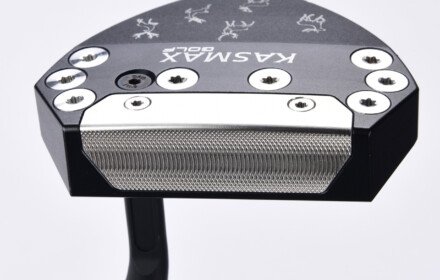
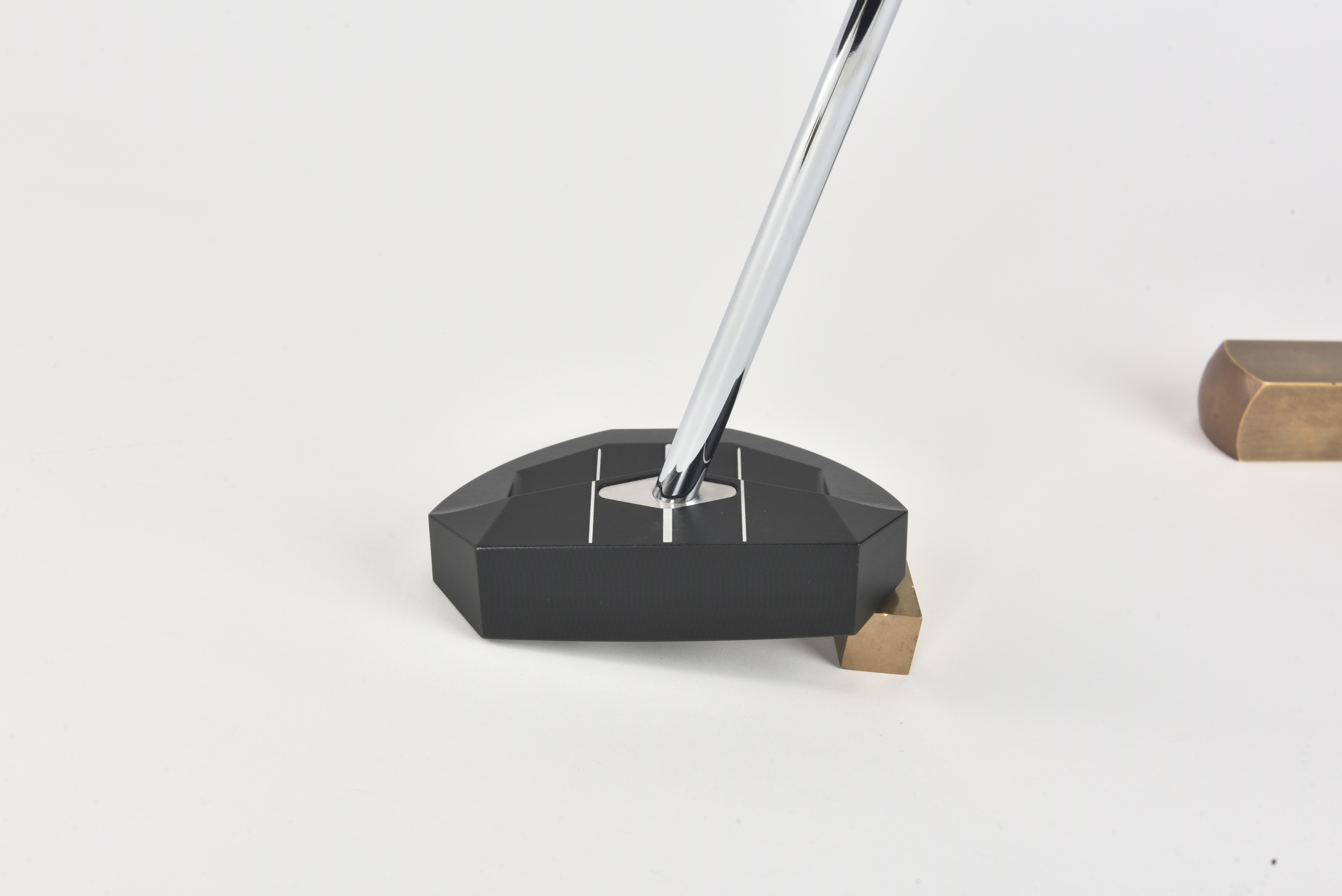
Zero-torque putters, like the KASMAX SG-D1, have unique geometric profiles that demand precision-fitting covers to preserve their alignment features and face inserts.
Materials Matter: What to Look For
Knit and Leather
Wool and acrylic knit covers offer classic styling and moderate protection. They look great in the bag but offer minimal impact resistance. Leather covers, often with fur linings, offer superior scratch protection and a premium appearance. Just beware of cheap bonded leather that cracks within one season.
Neoprene
Neoprene covers provide excellent shock absorption and water resistance. They’re lightweight, affordable, and fit snugly. The downside is aesthetics. They can look utilitarian, and they sometimes develop a rubbery odor in high heat.
Magnetic vs. Velcro Closures
Velcro closures are affordable and reliable but can wear out over time, especially if exposed to sand and dirt. Magnetic closures are easier to use one-handed and less likely to cause snags on clothing or bags, but they can weaken if hit repeatedly.
Why the “Cheap Free Cover” Is Actually Costing You
When you buy a new driver, the factory cover that comes in the box is often a low-budget option. These covers typically:
Contain thin, non-padded material
Feature poorly stitched seams that fray quickly
Lack internal lining that protects against scratches
Slide off easily when clubs are transported
Factory covers are usually an afterthought. They exist to get the club to retail shelves without scratches, not to protect it long-term. Upgrading head covers is one of the cheapest ways to protect an expensive set of clubs.
How Custom Head Covers Complement Custom Clubs
If you’ve invested in custom golf clubs—clubs fitted to your height, swing speed, and taste—skimping on head covers undermines that investment. Here’s why:
When club fitters like KASMAX Golf build your set, they carefully select shafts, grips, and lie angles. The entire system works together to produce a consistent performance. Add a cracked ferrule or a scratched face, and you introduce variability you didn’t plan for.
Custom covers also serve a practical purpose beyond brand pride. If your bag is stolen or accidentally swapped at the course, unique head covers make your clubs instantly identifiable. They personalize your equipment and reduce the chance of mix-ups on the first tee.
Common Misconceptions About Head Covers
“Head Covers Are Only for Storage”
Many golfers keep covers on during play to protect clubs from cart-to-green transport. That’s fine, but realize that covers left on during wet conditions can trap moisture against the clubhead. Always dry your club before replacing the cover after a rainy round.
“All Covers Fit All Clubs”
This is perhaps the most dangerous misconception. A 460cc driver requires a different cover than a 440cc model. Similarly, blade putters and mallet putters have entirely different shapes. Using an ill-fitting cover creates pressure points, which can contribute to loosening the epoxy over time.
“Head Covers Are for Old Guys”
Once a stereotype of older players who valued tradition, head covers have evolved. Young enthusiasts now proudly display covers featuring college logos, bold patterns, and even custom embroidered initials. Modern covers are a form of self-expression on the course.
Signs Your Head Covers Need Replacing
Are you due for new covers? Ask yourself these questions:
Does the cover slip off on its own when walking?
Are there visible holes or frayed threads?
Do the magnets no longer align?
Does the cover still fit snugly after rain?
Is the interior lining worn away?
If you answered yes to even two of these, your clubs are borderline unprotected. Replacement covers cost far less than a new driver face or shaft.
The Environmental Angle: Buying Quality Lasts Longer
In today’s world, sustainability is a consideration for many golfers. The golf industry is notorious for overconsumption. Fast-fashion-style products dominate the market, but durable products made from quality materials reduce waste.
Investing in quality head covers with replaceable parts, or that are built to last decades, aligns with responsible consumption. Instead of buying a 10-dollar knit cover every season, purchase a premium cover once and they’ll outlast three generations of drivers.
Head Covers and Club Fitting: A Psychological Boost
You might think I’m reaching here, but hear me out. When you take a properly fitted club out of a premium head cover, your mental state shifts. You’re not just playing golf. You’re using tools you took time to select, maintain, and care for. This ritual matters.
Golf is a game of confidence. Pre-shot routines set the tone for performance. Reaching into a bag and seeing a pristine club, clean and undamaged, prepares you to make your best swing. A beat-up club with taped ferrule and scratched crown gives you excuses before you even hit the ball.
How Often Should You Replace Head Covers?
While there’s no strict schedule, consider this:
Knit covers: Replace every 18-24 months with regular play
Leather covers: Can last 5+ years with occasional conditioning
Neoprene: Replace when interior lining compresses and loses structure
Putters: Replace when high-MOI covers lose their shape
Also, note that some custom club manufacturers like KASMAX Golf offer branded covers with their sets. These often fit better than generic options because they’re engineered for specific head shapes.
Closing Thoughts: Protect What You Paid For
Head covers do more than keep metal from banging together. They protect your investment, maintain your equipment’s appearance, and signal your seriousness about the game. From adjusting to humidity to protecting a zero-torque putter alignment system, head covers perform critical functions you may have never considered.
Take a look in your golf bag right now. Are your clubs properly covered? If not, make the change. It’s one of the lowest-cost upgrades you can make to your setup, with immediate, noticeable protection benefits.
Frequently Asked Questions
Is it safe to leave my head cover on during wet rounds?
No. If the cover gets soaked, it will trap moisture against the clubhead. Remove it during play if it’s raining and let everything dry before storing.
Can I use a driver head cover on a fairway wood?
Technically, it will cover the club, but the fit will be loose. Fairway wood heads are smaller; a driver cover won’t provide the snug protection you need.
Do I need a head cover for my irons?
While irons are more durable, protecting wedges and irons with a towel or divider reduces bag chatter. Dedicated iron covers are debated, but if you care about aesthetics, they’re worth considering.
Will head covers prevent shaft tip damage?
Yes. Many shaft fractures occur during transit when clubs jostle against each other. Covers reduce the force of impacts.
Are expensive head covers worth the investment?
If you play 20+ rounds per year and travel with your clubs, yes. A 40-dollar quality cover assures years of equipment integrity.
This article was written for golf enthusiasts who care about the details others overlook. After all, golf is a game of inches—and your equipment deserves every bit of protection you can give it.