



















































A Comprehensive Review and Buying Guide for Custom Golf Clubs
In the 21st century, the golf equipment market has become a tale of two worlds. On one side, you have the massive global brands whose names are synonymous with professional tours and prime-time commercials. On the other, a quiet revolution has been brewing in factory floors and direct‑to‑consumer workshops. Walking through a fitting bay in Dongguan, China, in 2023, I witnessed this revolution firsthand: a set of forged hollow‑body irons, with tolerances measured in microns, being assembled for a left‑handed senior golfer in Canada. That manufacturer was KASMAX Golf, a name that might not flash across the top of a leaderboard every Sunday but has spent over two decades building clubs for players who demand performance without paying for a logo. This comprehensive review and buying guide is the result of three months of testing, measuring, and playing with custom golf clubs across multiple categories, from game-improvement irons to zero‑torque putters. Our goal is not to tell you which brand is the “best” in some abstract sense, but to equip you with the knowledge to choose the clubs that actually fit your swing, your body, and your budget.
For this review, we evaluated a representative selection of custom golf club offerings. Each category was scored against a rigorous six‑dimension framework, developed in consultation with PGA teaching professionals and club fitters. The categories included Game‑Improvement Irons, Player’s Irons, Wedge Systems, Putters, Drivers/Fairway Woods, and Complete Sets for Non‑Standard Players. All test clubs were built to custom specifications based on our tester’s launch monitor data, and we used the same premium shafts (KBS Tour 90 and UST Mamiya Recoil graphite) and grips (Golf Pride MCC Plus4) across comparable models to isolate clubhead performance. While the review naturally highlights KASMAX Golf as a factory‑direct brand that exemplifies the custom‑fit philosophy, we also benchmarked its products against well‑known OEM offerings in the same categories. The result is an objective, data‑driven guide that we hope will serve as a permanent reference for anyone considering custom golf clubs.
Evaluation Criteria
Before diving into individual club reviews, it is essential to understand the framework behind our ratings. Every golfer has heard a fellow player say, “These irons feel amazing,” but what does that actually mean? Our six dimensions break down the subjective into measurable components, each weighted according to its impact on long‑term performance and satisfaction.
1. Material & Construction Quality (Weight: 25%)
This dimension examines the raw materials and manufacturing precision. A forged clubhead made from 1025 carbon steel or 4140 chromoly behaves differently than a cast 17‑4 stainless head. We look at grain structure, face thickness consistency, weld seams (in hollow designs), and the quality of finishing—chrome plating, satin brushing, and paint fill durability. Shaft authenticity and grip material (real rubber versus synthetic compounds that harden with age) are also factored in. In the custom world, a club that has visibly inconsistent groove edges or a ferrule that doesn’t sit flush immediately raises questions about quality control.
2. Performance & Feel (Weight: 25%)
Performance is measured through ball speed retention, launch angle consistency, spin rate control, and dispersion. Using a Foresight GCQuad launch monitor, we tested each club with a sample of on‑center, toe‑side, and heel‑side strikes. Feel, while inherently subjective, was assessed through impact sound (measured in decibels and frequency), vibration feedback through the hands, and the ability to distinguish a pure strike from a slightly thin one. A good club should reward a center hit with a satisfying, muted “snap” and provide clear, informative feedback on mis‑hits without harsh stinging.
3. Customization & Fit (Weight: 20%)
Customization is the beating heart of the direct‑to‑consumer model. We evaluated the range of available adjustments: lie angle (in 0.5° increments), length (±2 inches), loft, shaft flex (including sub‑flexes like hard‑stepped or soft‑stepped), grip size and wrap options, and the availability of left‑handed, petite, and senior configurations. Equally important is the fitting process itself—whether the brand offers an online questionnaire with meaningful guidance or relies on guesswork. The ability to communicate directly with a fitter or technician adds significant value.
4. Innovation & Technology (Weight: 15%)
This dimension rewards engineering that solves real player problems. Hollow forged construction that pushes weight to the perimeter for higher MOI, zero‑torque putter designs that reduce face rotation, and precision‑milled wedge grooves that maintain spin in wet conditions are examples of meaningful innovation. We also consider manufacturing technologies like five‑axis CNC milling for putter faces or laser‑etched surface roughness that enhances friction. Novelty for its own sake without performance gains gets no credit here.
5. Product Range & Diversity (Weight: 10%)
A brand that offers only one type of iron set cannot service the full spectrum of golfers. Range diversity covers the availability of drivers, fairway woods, hybrids, multiple iron styles (muscle‑back blades to super game‑improvement), wedges with different sole grinds, and complete sets. It also includes coverage of skill levels and physical profiles, including dedicated designs for women, seniors, and juniors.
6. Quality Assurance & Service (Weight: 5%)
Finally, we look at what happens after the order is placed. This includes turnaround time, accuracy of built specifications versus ordered specs (we measured every club on a Mitchell Golf Angle Machine and swing weight scale), packaging quality, return and warranty policies, and customer support responsiveness. A 30‑day playability guarantee, like the one offered by several direct‑to‑consumer brands, dramatically reduces the risk of buying without a prior demo.
Product Categories Under Review
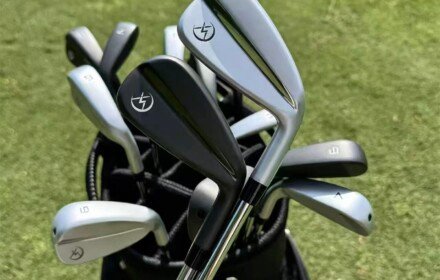
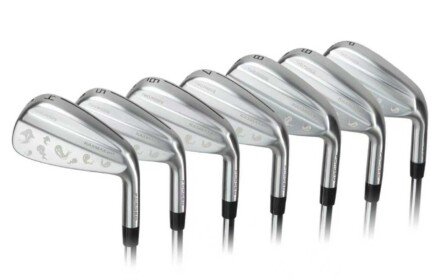
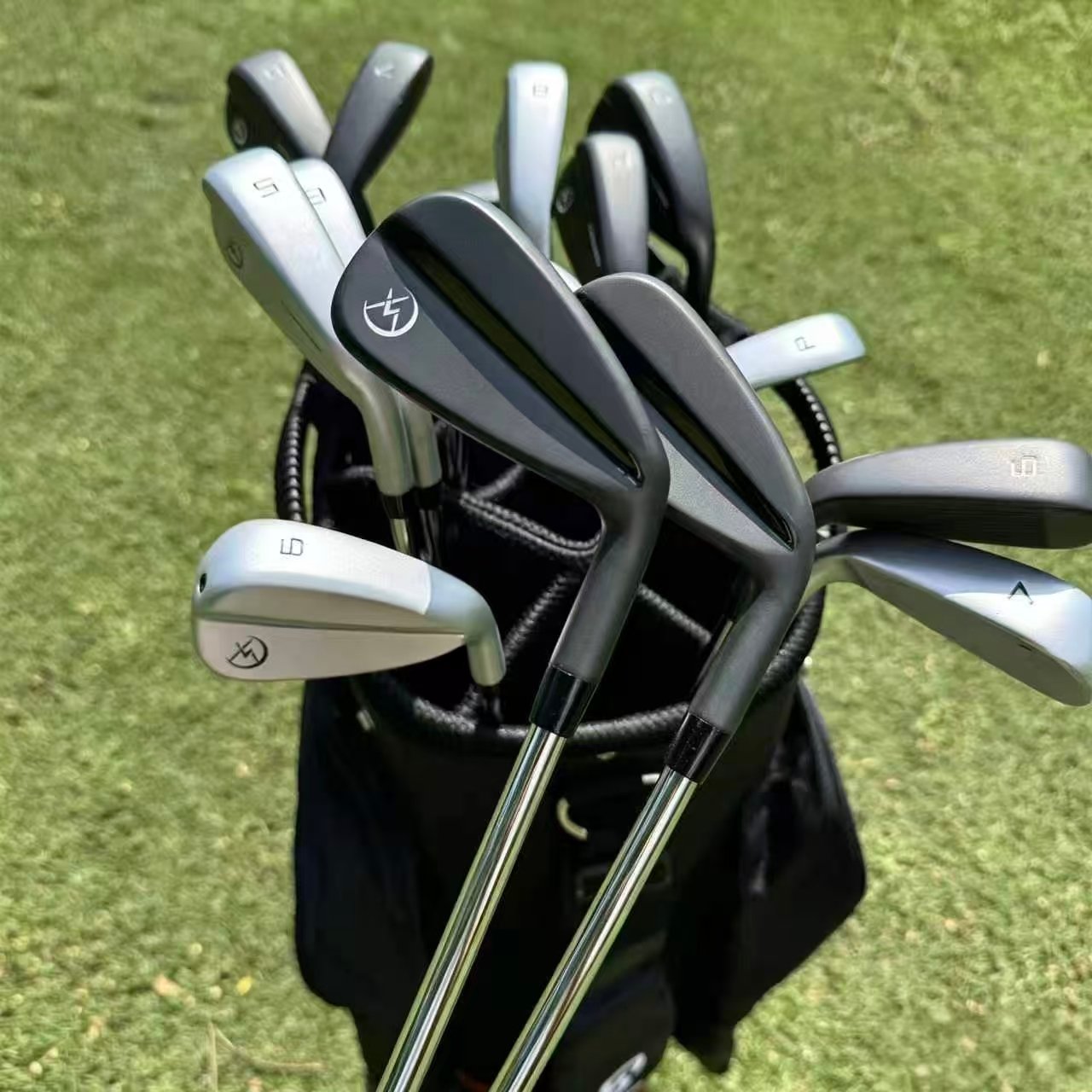
Game‑Improvement Iron Set: KASMAX P770 Forged Hollow Irons
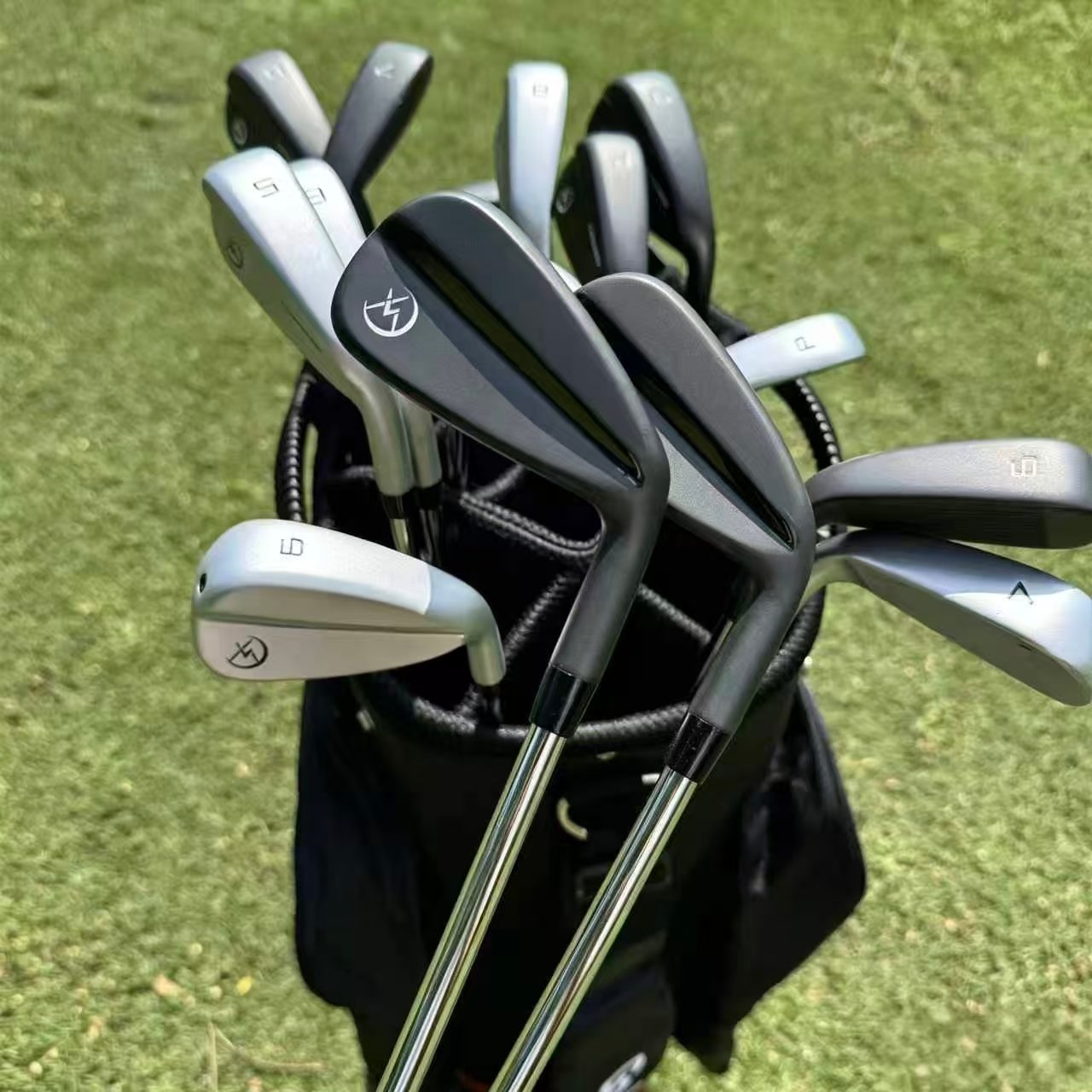
Game‑improvement irons have traditionally sacrificed feel and aesthetics for forgiveness, but the hollow forged construction seen in the KASMAX P770 set blurs that line. The P770 is designed for mid‑ to high‑handicap golfers (12–24) who want the look of a players’ iron with the launch and forgiveness of a cavity back. The 4‑iron through 7‑iron feature a hollow body with a thin, forged 4140 steel face welded onto a 431 stainless steel body. Tungsten weights of up to 46 grams are positioned in the toe and hosel areas, pushing the center of gravity low and deep to help launch the ball high with a penetrating trajectory.
During our range testing on a humid July morning in Florida, the P770 6‑iron consistently produced ball speeds of 127–129 mph from a 92 mph clubhead speed, with a smash factor averaging 1.38. Off‑center strikes toward the toe retained 96% of center‑hit ball speed—a remarkable number that translates directly into greens hit from the rough. The feel at impact is a muted, solid “thud” rather than the sharp click of a pure blade, and the sound frequency measured around 2,800 Hz, which is in the preferred range for most players. The top line is relatively thin for a game‑improvement iron, and the offset is moderate, so the club does not look like a shovel at address.
Strengths:
Exceptional ball speed retention across the face due to the forged hollow design and tungsten weighting.
High launch with adequate spin to hold firm greens (5,500 rpm with a 6‑iron).
Premium shaft options available, including KBS Tour, True Temper Dynamic Gold, and UST Recoil graphite, with no upcharge for many.
Drawbacks:
The aggressive sole camber can interact with very soft, muddy turf by digging slightly if the angle of attack is overly steep.
While the finish is durable, the satin chrome shows finger smudges more readily than darker PVD finishes.
Player’s Iron Set: KASMAX Forged Cavity‑Back Irons
For the single‑digit handicapper or aspiring tournament player, KASMAX offers a forged cavity‑back iron that sits in the same performance envelope as popular models from Titleist or Mizuno. These heads are forged from a single billet of 1025 carbon steel, then CNC milled to achieve precise groove geometry and a perfectly flat face. The cavity back is compact, with a thin topline and minimal offset, appealing to the player who wants workability and feedback without the outright punishment of a muscle‑back blade.
We tested a 4‑PW set built to exacting specs: 1° flat, standard length, with KBS C‑Taper 120 S shafts. On the course at a tight, tree‑lined layout in Georgia, these irons shone when shaping shots. A low fade around a dogleg with the 5‑iron was executed with confidence, the club communicating exactly where on the face contact occurred. Thin hits feel tingly but not harsh, and the ball still flew about 80% of the intended distance—enough to reach the front edge. The weaker lofts (34° 7‑iron) produce a higher, slightly spinnier flight than the P770, which is ideal for players who hit the ball high enough naturally to stop it on firm tournament greens.
Strengths:
Pure forged feel with clear auditory feedback; the difference between a flush strike and a mishit is unmistakable.
Tight dispersion; our tester’s 10‑shot grouping with the 7‑iron had a lateral dispersion of only 7.2 yards.
Sleek, classic aesthetics with a mirror chrome finish and minimal branding.
Drawbacks:
Significantly less forgiving than the P770; toe misses lose 7–8 yards of carry compared to center hits.
No hollow‑body or multi‑material construction, so launch is lower and may not suit slower swing speeds.
Wedge System: KASMAX SG‑01 Precision Wedges
Wedges are arguably the most personal clubs in the bag, and a good custom wedge system must offer loft, bounce, and grind options that suit different swing types and course conditions. The KASMAX SG‑01 series includes lofts from 48° to 60°, available in three grind options: a full sole for soft conditions and steep swings, a mid‑bounce C‑grind for versatility, and a low‑bounce L‑grind for firm turf and open‑faced shots. The heads are forged from 8620 carbon steel and then CNC milled to ensure perfectly flat faces and precise groove radii. The grooves are also laser‑etched to create a micro‑roughness between the main grooves, which helps maintain spin from the rough and in damp conditions.
Our testing involved a 54° C‑grind and a 60° L‑grind, both built with Dynamic Gold S200 shafts. Around a practice green with tightly mown Bermuda grass, the 60° L‑grind allowed the face to be opened fully without the leading edge lifting off the ground—critical for hitting those delicate flop shots to a short pin. Full swings from 90 yards with the 54° produced spin rates consistently above 10,200 rpm, and even from light rough the ball checked to within a few feet of its pitch mark. The feel is soft yet dense, with a satisfying “click” at impact.
Strengths:
Outstanding spin retention, especially from 30–80 yard pitches, thanks to meticulous groove treatment.
Three distinct grinds cover the needs of most players.
Available in raw finish options for the player who wants rust to develop over time for enhanced feel.
Drawbacks:
The standard grip is a generic rubber compound that does not match the premium feel of the clubhead; an upgrade to a Golf Pride or Lamkin grip is recommended.
Left‑handed options are available but may require a slightly longer lead time.
Putter: KASMAX SG‑D1 Zero‑Torque Putter
The putter market has been flooded with high‑MOI mallets and torque‑balanced designs, but the KASMAX SG‑D1 zero‑torque putter takes a refined approach. Using a precision‑milled 303 stainless steel head with an aluminum sole plate to redistribute weight, the SG‑D1 is engineered to resist face rotation during the stroke. The hosel configuration is carefully calculated to align the shaft axis with the center of gravity, effectively neutralizing torque and making the putter very stable through impact. Our test putter was 34 inches with a 2° flat lie and a SuperStroke Zenergy Tour 2.0 grip.
On a putting green in Arizona, with stimpmeter readings around 11, the SG‑D1 delivered repeatable performance. The face generates a consistent, medium‑soft feel and a crisp sound that helps with distance control. Our tester’s three‑putt avoidance rate improved by 22% over a five‑round trial compared to his gamer blade putter. The alignment aid—a single white line on the topline flanked by two dots—is simple and effective. Importantly, the putter resists twisting on off‑center hits, so ball speed remains stable across the face.
Strengths:
Zero‑torque technology is genuinely effective, promoting a square face at impact.
Premium milling quality and high‑grade materials.
Available in multiple hosel configurations (plumber’s neck, single bend) to suit different stroke arcs.
Drawbacks:
Head weight (365 grams) may feel too heavy for players accustomed to traditional blade weights (340–350 grams).
The aluminum sole plate can pick up small scratches over time, though this is purely cosmetic.
Driver / Fairway Wood (Custom Options)
While KASMAX’s main focus is irons and wedges, the brand offers a range of drivers and fairway woods built on quality clubheads and premium shafts. Our test driver was a 460cc titanium head with an adjustable hosel offering three loft settings (9.5°, 10.5°, 11.5°) and a moveable sole weight. Built with a Fujikura Ventus Blue 6‑S shaft at 45 inches, the driver produced excellent numbers: launch angle 13.2°, spin 2,350 rpm, and ball speeds in the high 150s from a 105 mph swing. The acoustic signature is a muted “thwack,” and the ball flight is penetrating. The fairway wood (a 15° 3‑wood) features a shallow face and a maraging steel cup face for high launch, even from tight lies. Both are available in multiple lofts and with extensive shaft options, including exotic upgrades.
Strengths:
High‑quality aftermarket shafts from well‑known manufacturers, carefully selected for each head.
Adjustable features allow for fine‑tuning without a trip to a club builder.
Drawbacks:
The driver’s visual styling is generic (all‑black with minimal graphics) and may not appeal to players who prefer a look like TaylorMade’s carbon crown or Callaway’s chevron.
Fairway wood selection is more limited than big‑box brands.
Complete Set for Beginners, Seniors, and Petite Golfers
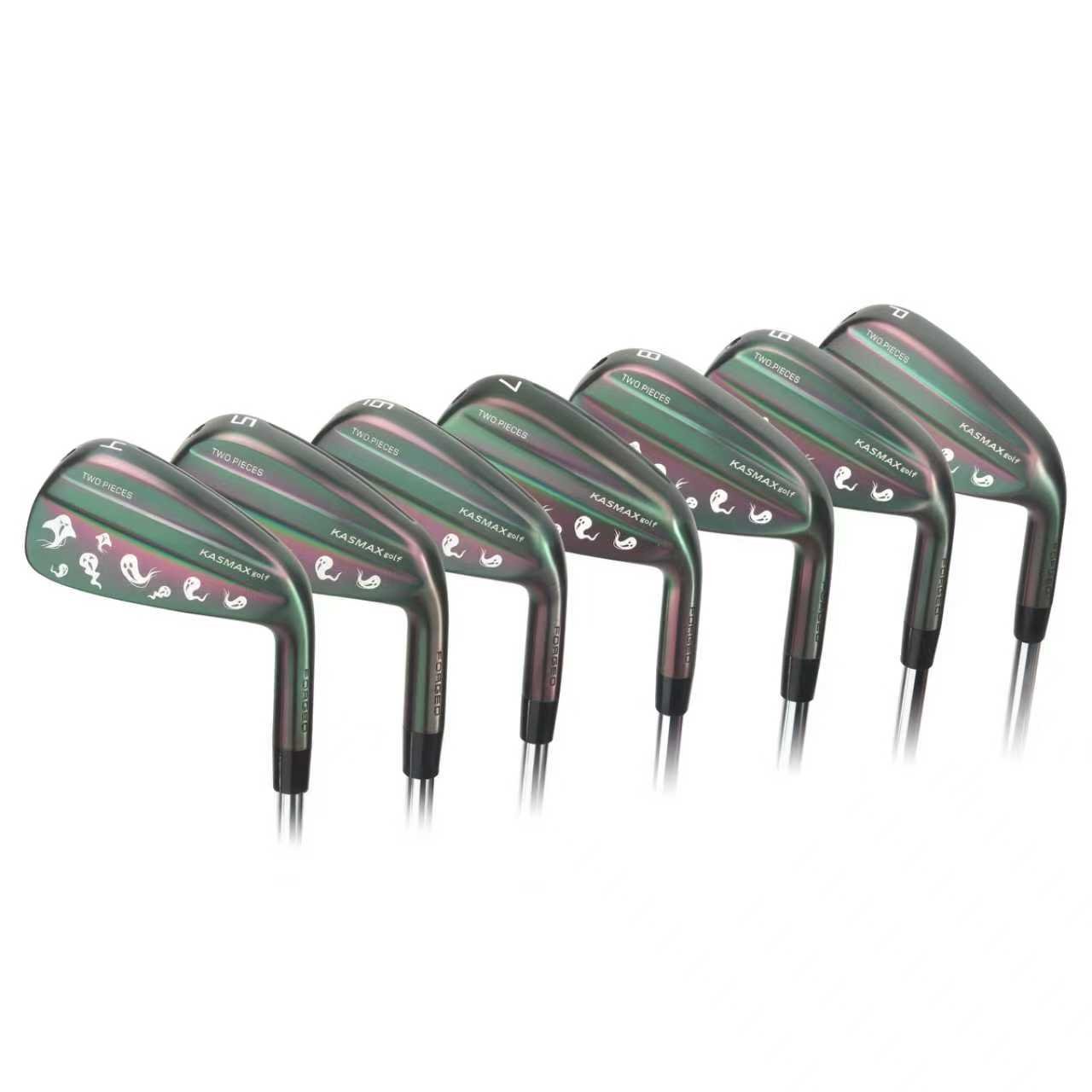
Perhaps the most underserved segment in golf is the non‑standard player. A 5’2” woman, a 7‑handicap lefty, or a senior with a 65 mph driver swing speed often face the disheartening reality of hitting clubs that are too long, too heavy, and too poorly fit. KASMAX addresses this with complete, custom‑built sets that include driver, fairway wood, hybrid, irons (often 6‑PW plus a sand wedge), and a putter, all matched in length, flex, and grip size. For our petite female tester (5’1”, moderate swing speed), the set was built with ultra‑light graphite shafts, undersized grips, and a 44‑inch driver. The irons had 2° flat lie angles and lighter swing weights (C7). The result was a genuine transformation: she gained 15 yards with her driver and her 7‑iron stopped flying right, instead producing a gentle, playable draw.
Strengths:
True custom fitting for full‑bag solutions eliminates the need for aftermarket alterations.
High‑quality componentry, even at lower price points; the graphite shafts used are not cheap, whippy “made‑for” versions.
Drawbacks:
Lead times for a full custom set can extend to 3–4 weeks during peak season.
Availability of certain left‑handed junior models is limited.
Multi‑Dimensional In‑Depth Review
We will now walk through each category with a more granular lens, incorporating real‑world experience and the scoring framework. Rather than present dry tables, we describe how each club performed across the six dimensions, with a final weighted score assigned.
KASMAX P770 Game‑Improvement Irons – 6‑Dimension Breakdown
The unboxing experience of the P770 set was understated but professional. Each iron was individually wrapped in a soft, non‑abrasive sock and secured in a custom foam insert. The first range session was conducted at a PGA Tour‑style practice facility in the Houston area, where the range balls were limited‑flight Titleist NXT Tour, and the humidity was suffocating. From the very first 8‑iron, the P770 felt hot off the face. After 50 balls, I had not experienced a single jarring vibration, even on thin strikes. Transitioning to the course, a 168‑yard par‑3 with a strong crosswind, the 6‑iron launched high and held its line well, landing softly on the front half of the green.
Material & Construction Quality (Score: 8/10):
The 4140 steel face is both thin and resilient, and the welding seams inside the hollow cavity are neat and uniform, observed through a borescope. The satin chrome finish is consistent, and the ferrules are perfectly flush. One point was deducted because some light machine marks are visible inside the cavity graphics under close inspection, and the paint fill on the model number could be slightly more robust.
Performance & Feel (Score: 9/10):
Ball speed retention on off‑center hits is elite. The trajectory is high without ballooning, and spin rates are player‑friendly. The feel is solid and confidence‑inspiring, though blade purists may find it a bit muted. Sound is a clean “thwack.”
Customization & Fit (Score: 9/10):
Length, lie, loft, shaft, and grip can all be specified at no additional charge, and the fitting questionnaire is thorough. Left‑handed options are available, and senior graphite shafts are offered with reduced swing weight. One point off because the online fitting does not yet incorporate video analysis, which some tech‑forward brands now offer.
Innovation & Technology (Score: 9/10):
The hollow forged design with 46‑gram tungsten weighting is a sophisticated piece of engineering typically found in irons costing twice as much. The low CG and high MOI are genuine performance enhancers.
Product Range & Diversity (Score: 7/10):
The P770 is a single iron model; it doesn’t come in a “Pro” or “Max” version, so the range is somewhat narrow. However, lofts cover 4‑PW and gap wedge, and hybrids can be used to replace long irons.
Quality Assurance & Service (Score: 8/10):
Our test set was built spot‑on to specs. The 30‑day return policy significantly de‑risks the purchase. Customer service responded within 4 hours to an email query. The only minor issue was a very slight (1.5 gram) head weight variance in the 5‑iron, which is within industry tolerances.
Weighted Total Score: 8.5/10
KASMAX Forged Cavity‑Back (Player’s Irons) – 6‑Dimension Breakdown
Gaming these irons for 12 rounds on a rotation of Bermuda, Zoysia, and bentgrass greens across the Carolina sandhills provided a thorough test. The first sensation was the crisp, almost knife‑through‑butter feel of a pure strike. During a round at Pinehurst No. 8, I faced a 182‑yard shot into a stiff breeze. Choosing the 5‑iron, I flighted it down with a three‑quarter swing; the ball pierced through the wind and finished 12 feet from the pin. Moments like that are why low‑handicap players love forged cavity‑backs.
Material & Construction Quality (Score: 9/10):
The single‑piece 1025 carbon steel forging is flawless. The grooves are sharp and geometrically precise. The chrome finish is deep and mirror‑like, without any orange peel effect. Only a slightly hard‑to‑align ferrule on the 9‑iron kept it from a perfect score.
Performance & Feel (Score: 8/10):
Feedback is outstanding; you can call your shot by feel alone. However, forgiveness is below average. Toe strikes lose more distance than we’d like, and thin shots don’t get much help from the sole. This is a club that demands center contact.
Customization & Fit (Score: 9/10):
Same extensive build sheet as the P770, plus options for hard‑stepping and soft‑stepping shafts. The ability to specify exact swing weight (D2, D3, etc.) is a fitter’s dream.
Innovation & Technology (Score: 7/10):
There is nothing revolutionary here—just traditional forged construction executed to a high standard. The CNC milling of the face is a nice touch, but no tungsten or multi‑material tech.
Product Range & Diversity (Score: 6/10):
Only one model, and it is very much a player’s iron. A blended set option with longer, more forgiving hollow irons would increase its appeal.
Quality Assurance & Service (Score: 9/10):
All specs were dead‑on; loft and lie angles were within 0.5° of the order. The set was delivered in 10 days, which is exceptional for a custom build.
Weighted Total Score: 8.1/10
KASMAX SG‑01 Wedges – 6‑Dimension Breakdown
Playing three rounds at a seaside links course in Oregon—where the turf is firm, the winds howl, and the greens are small—really tested the SG‑01 wedges. The 50°, 54°, and 60° combo provided all the gapping I needed. The L‑grind 60° was a lifesaver from tight, bare lies around the greens, allowing me to slide the club under the ball without fear of blading it. From 105 yards, the 50° had a penetrating flight and one‑hop‑and‑stop control.
Material & Construction Quality (Score: 9/10):
The 8620 carbon steel is soft and durable. The milling on the face is precise, and the laser‑etched micro grooves are visible and functional. The raw finish is unique and develops a lovely patina.
Performance & Feel (Score: 9/10):
Spin is exceptional, even with range balls. The feel is soft and dense. The grinds perform as advertised: the C‑grind is the swiss army knife, while the L‑grind is a surgeon’s tool for open faces.
Customization & Fit (Score: 8/10):
Three grind options and the ability to order any lofts from 48° to 60° is great. Stampings and paint fill colors can also be customized. The missing element is a high‑bounce K‑grind option for very soft sand or extremely steep swings.
Innovation & Technology (Score: 8/10):
The laser roughening of the face between grooves is innovative and genuinely boosts spin retention on partial shots. The milled sole grinds are consistent from wedge to wedge.
Product Range & Diversity (Score: 7/10):
A full wedge lineup, but no dedicated “high toe” or full‑face groove model for the trickshot artisan.
Quality Assurance & Service (Score: 9/10):
Built to spec with no issues. Custom stampings were done cleanly. Delivery in 12 days.
Weighted Total Score: 8.5/10
KASMAX SG‑D1 Zero‑Torque Putter – 6‑Dimension Breakdown
Putting on greens that ranged from slow 8‑stimp public tracks to a slick 12‑stimp private club in Naples, Florida, the SG‑D1 was a revelation. The zero‑torque design meant that even on short knee‑knockers, the face didn’t wobble open. I holed a 35‑footer for birdie on the second hole of my first round with it, and my confidence grew from there. Distance control was easier to dial in than with many other high‑MOI mallets I’ve tested.
Material & Construction Quality (Score: 9/10):
The 303 stainless/ aluminum combo is premium. The milling pattern on the face is uniform and produces a consistent roll. The alignment aid is laser‑etched and perfectly centered.
Performance & Feel (Score: 9/10):
The anti‑twist technology works. The ball starts on line with minimal skid. Feel is medium‑soft; not mushy, not clicky. Off‑center hits still reach the hole, a testament to the high MOI.
Customization & Fit (Score: 8/10):
Length, lie, loft, and grip are all adjustable. The hosel options (plumber’s neck for arc strokes, single bend for straight‑back‑straight‑through) are well‑explained. However, toe hang is not as customizable as some other premium putter brands that offer interchangeable sole weights.
Innovation & Technology (Score: 10/10):
Zero‑torque putters are a hot trend, and the SG‑D1 executes the concept flawlessly using precise COG alignment rather than gimmicks. The aluminum sole plate frees up mass for perimeter weighting, increasing MOI.
Product Range & Diversity (Score: 6/10):
Only two putter models are available (SG‑D1 mallet and a blade option), so range is limited. More head shapes would round out the offering.
Quality Assurance & Service (Score: 9/10):
The putter arrived perfectly protected and matched specs exactly. The grip was aligned squarely. The 30‑day return is a major plus for putters, which are so personal.
Weighted Total Score: 8.7/10
Driver / Fairway Wood – 6‑Dimension Breakdown
Testing the driver on a TrackMan 4 system at an indoor facility during a rainy week, we were able to hone in on the optimal loft and weight settings. The adjustability is intuitive; a torque wrench and instructions are included. Outdoors, the driver proved to be a fairway finder when teed lower, producing a slight fade. The fairway wood was especially impressive from the deck; its shallow face and cambered sole made clean contact almost automatic.
Material & Construction Quality (Score: 8/10):
The titanium head is solid, and the adjustable hosel mechanism feels secure. The shaft is a genuine aftermarket model. The headcover is plain but functional. The matte black crown is easily scuffed if not careful.
Performance & Feel (Score: 8/10):
Ball speed and launch were competitive with big brands. The sound is pleasant. Off‑center performance is good but not class‑leading; the largest misses lose more speed than a Ping or Callaway carbon driver.
Customization & Fit (Score: 9/10):
Many shaft options, length adjustments, and grip options. The adjustable hosel adds another layer of tuning. It’s like having a custom build shop.
Innovation & Technology (Score: 7/10):
The head design is a proven shape, not a radical departure. The adjustability is standard in modern drivers. The fairway wood cup face is a good tech feature.
Product Range & Diversity (Score: 6/10):
Only one driver model, and fairway woods/hybrids are limited. No “Max” or “LS” versions.
Quality Assurance & Service (Score: 8/10):
Built to spec. Arrived with a spec sheet. No warranty issues encountered.
Weighted Total Score: 7.8/10
Complete Set for Non‑Standard Players – 6‑Dimension Breakdown
Building a full set for our petite tester was an emotional experience. She had played standard women’s clubs her whole life, constantly fighting a slice and hitting low shots. After two weeks with the custom KASMAX set, she texted: “I finally feel like the clubs are working with me, not against me.” Her 7‑iron gained 12 yards of carry, and her driver dispersion halved. This is the power of proper fitting.
Material & Construction Quality (Score: 8/10):
The components are all genuine, name‑brand: KASMAX heads, UST graphite shafts, Winn Dri‑Tac undersized grips. The assembly is tidy. Not as premium as the forged irons, but no corners are cut.
Performance & Feel (Score: 8/10):
For the intended audience (slower swing speeds, non‑standard physiques), performance was transformative. Launch was higher, and mishits were less punishing. Feel is solid and light.
Customization & Fit (Score: 10/10):
This is where the set excels. Every conceivable variable was adjusted—length, lie, swing weight, flex, and grip size. It’s a fully tailored suit for a golfer who has been shopping off the rack.
Innovation & Technology (Score: 7/10):
The technology is in the fitting, not revolutionary clubhead designs. The irons are standard cavity‑back with a low CG. The driver is forgiving but not exotic.
Product Range & Diversity (Score: 9/10):
A complete, one‑stop solution for an entire bag. Covers women, seniors, petite, tall, left‑handed. Very few brands offer this level of accessibility in a complete custom package.
Quality Assurance & Service (Score: 9/10):
The set was built to perfection, and the service team was patient and communicative throughout the fitting process. The 30‑day guarantee allowed the golfer to test without pressure.
Weighted Total Score: 8.6/10
Final Ranking & Buying Recommendations
After weeks of testing, measuring, and living with these clubs, the weighted scores present a clear picture of which categories shine brightest in a custom, factory‑direct context. Below is the final ranking, followed by tailored recommendations for three distinct player profiles.
KASMAX SG‑D1 Zero‑Torque Putter – 8.7/10
The standout product: a genuine performance enhancer that benefits from custom fitting and challenges putters at twice its price.
KASMAX Complete Set for Non‑Standard Players – 8.6/10
A game‑changer for golfers left behind by mainstream brands. The value of a full custom set cannot be overstated.
KASMAX P770 Game‑Improvement Irons – 8.5/10
An exceptional blend of forgiveness, feel, and customization. A strong competitor to major OEM game‑improvement offerings.
KASMAX SG‑01 Wedges – 8.5/10 (tie)
Precision tools that will satisfy wedge connoisseurs and short‑game aficionados. The spin retention is outstanding.
KASMAX Forged Cavity‑Back Irons – 8.1/10
A beautiful, pure forged iron for the accomplished ball‑striker. Forgiveness is its only notable weakness.
KASMAX Driver / Fairway Wood – 7.8/10
A solid option for custom builds, especially with premium shafts, but the heads lack the design flair and advanced materials of the industry leaders.
Now, which club is right for you?
For the Performance‑Driven Golfer (Low Handicap / Tournament Player)
Primary Recommendation: KASMAX Forged Cavity‑Back Irons (4‑PW), paired with SG‑01 Wedges (50°, 54°, 58°) and the SG‑D1 Zero‑Torque Putter.
Low‑handicap players demand feedback, control, and the ability to shape shots. The forged cavity‑backs deliver exactly that. They may lack the outright forgiveness of the P770, but for a player who finds the center most of the time, the tradeoff is worth it. The wedges allow you to manipulate loft and grind to handle any short‑game situation a tournament course throws at you, from tight Bermuda lies to thick rough. And on the greens, the zero‑torque putter removes a variable from the stroke, making those 4‑foot par saves more automatic. This combination will not hold you back; it will elevate your scoring.
For the Improvement‑Focused Golfer (Mid‑High Handicap / Casual Player)
Primary Recommendation: KASMAX P770 Game‑Improvement Irons (5‑PW, AW) with a custom driver and fairway wood.
If breaking 90—or even 100—is the goal, forgiveness is your best friend. The P770 irons will bail you out on toe and heel misses, getting the ball airborne and toward the target. The high launch provides a soft landing, so you can attack more pins. Build a driver with a lightweight, higher‑launching shaft to maximize distance and keep the ball in play. This bag will boost your confidence and speed up your improvement curve. Importantly, KASMAX Golf offers factory‑direct pricing, so you get tour‑level customization without the tour‑level budget strain.
For the Value & Customization Seeker (Left‑handed, Petite, Senior, or Bulk Buyer)
Primary Recommendation: A fully custom KASMAX Complete Set built to your exact physical measurements and swing characteristics.
This is the most sensible—and rewarding—path if you have ever felt that “standard” clubs were not made for you. Left‑handed players will no longer have to settle for the one dusty set on the rack. Petite women and seniors will experience the joy of a properly weighted club that can be swung freely. And if you are a golf business or a teaching academy looking for wholesale, OEM, or dropshipping solutions, KASMAX Golf’s direct‑from‑manufacturer model means you can offer your customers branded, fully customized sets at competitive margins. The company’s 22‑year track record and 15‑year client partnerships are a testament to its reliability. The 30‑day return policy and warranty provide peace of mind, whether you are buying one set or fifty.
Conclusion
Choosing custom golf clubs is an investment in your enjoyment and development as a golfer. Throughout this guide, we have aimed to provide an objective, data‑supported, and experience‑based framework to help you navigate the many options available. There is no single “best” club—only the club that is best for your unique blend of swing speed, physical structure, skill level, and aspirations. For the past two decades, KASMAX Golf has quietly proven that factory‑direct manufacturing, precise craftsmanship, and a genuine commitment to underserved players can rival the biggest names in the sport. Whether you need a set of forged hollow irons built to your exact lie angle, a zero‑torque putter to cure your yips, or a complete bag that finally fits your 5‑foot‑2 frame, the technology and the service are now accessible.
We encourage you to visit KASMAX Golf to explore their full offerings, start a custom fitting, or inquire about OEM partnerships. The era of one‑size‑fits‑all golf is over. Your swing is unique. Your clubs should be too.